Alternators, starters, batteries, wiring harness repair, parasitic draw testing, and computer module diagnostics from ASE Master certified technicians.





Modern vehicles rely on complex electrical systems that control everything from starting the engine to operating the infotainment system, safety features, and powertrain management. When an electrical problem develops, the symptoms can range from obvious failures like a dead battery or no-start condition to subtle intermittent issues like flickering lights, mysterious warning messages, or accessories that work sometimes but not always. These intermittent electrical problems are among the most challenging issues in automotive repair, and they require a methodical diagnostic approach combined with professional-grade equipment to solve.
At RepairTech Automotive in Kissimmee, FL, our ASE Master certified technicians use Snap-On diagnostic platforms and specialized electrical testing equipment to trace faults through the vehicle's wiring, connectors, control modules, and power distribution systems. We do not guess with electrical repairs. Every diagnosis follows a structured testing process that identifies the exact cause of the problem before any parts are replaced. This approach saves you money by eliminating unnecessary part replacements and gets your vehicle fixed right the first time.
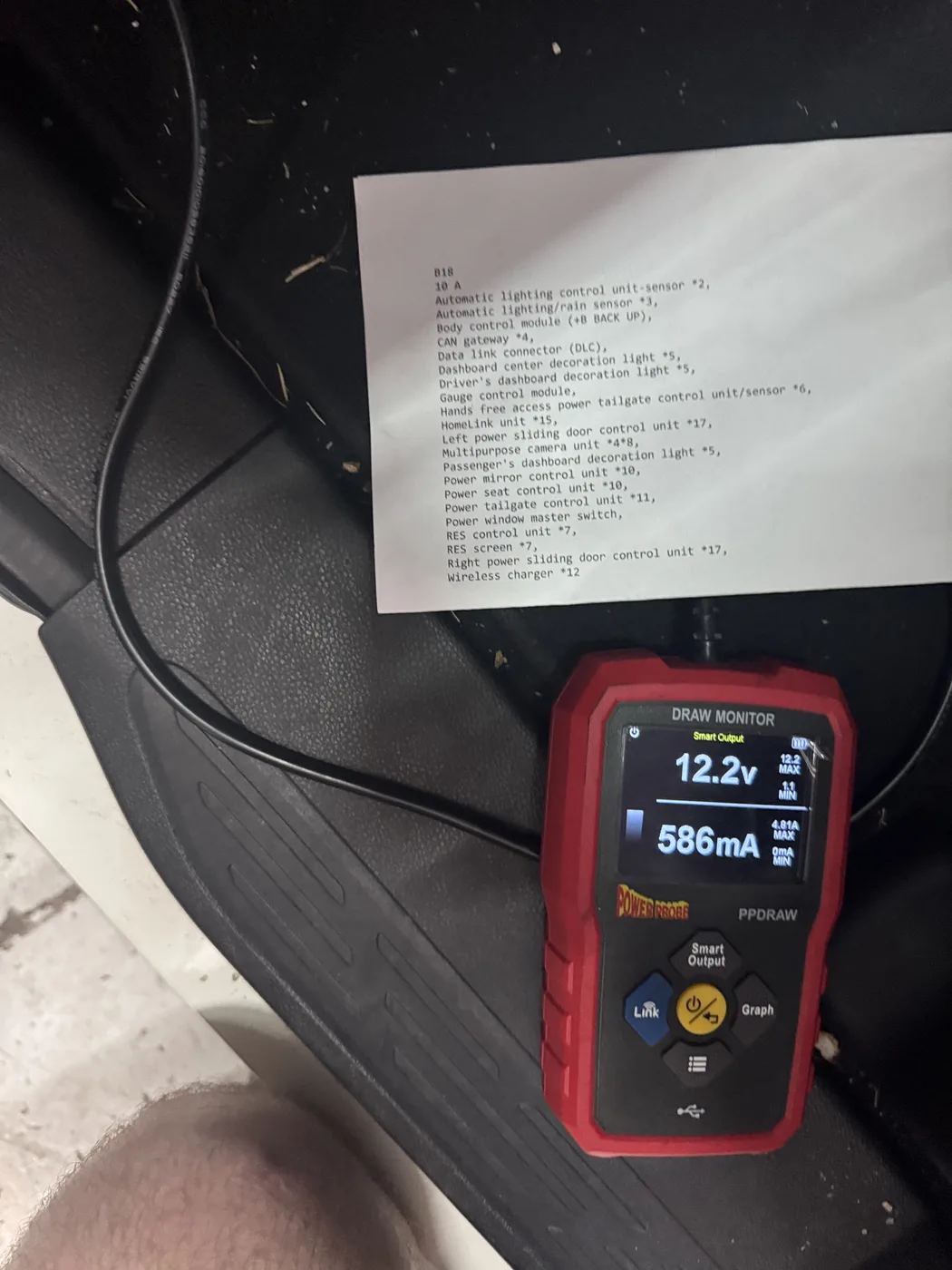
A parasitic draw is an electrical fault that drains your battery when the vehicle is turned off. You might discover the problem after your car sits overnight or for a few days and refuses to start, even with a relatively new battery. The cause could be a module that is not going to sleep properly, a stuck relay, a shorted wire, a trunk or glove box light that stays on, or an aftermarket accessory that was installed incorrectly. Finding a parasitic draw requires patience, specialized equipment, and a systematic approach to testing each circuit in the vehicle.
Our technicians use current clamp meters and milliamp measurement techniques to identify which circuit is drawing excessive current while the vehicle is in sleep mode. We then systematically isolate the fault to the specific component or wiring section responsible. This precise diagnostic method eliminates the trial-and-error approach that many shops use, where fuses are pulled randomly until the draw disappears, without ever identifying the actual failed component.
Wiring harness problems are another electrical challenge we handle regularly at RepairTech Automotive. Florida's heat, humidity, and wildlife can take a toll on vehicle wiring. Rodents chew through insulation, heat causes connectors to corrode and become brittle, and road salt from out-of-state vehicles accelerates terminal corrosion. We perform professional wiring repairs using proper solder and heat shrink techniques, weatherproof connectors, and factory wiring diagrams to ensure every repair meets OEM standards. We also service power window regulators and motors, power door lock actuators, central locking systems, interior and exterior lighting circuits, horn systems, and windshield wiper motors. Our computer module diagnostic capabilities extend to ECM, TCM, BCM, and other onboard controllers, with the ability to perform module programming and initialization when replacement is necessary.
From simple battery replacements to complex module diagnostics, we handle every electrical challenge.
Alternator output testing, voltage regulator diagnosis, serpentine belt inspection, and battery charging system analysis. We test the complete circuit, not just the parts.
Starter motor testing, solenoid diagnosis, ignition switch service, and cranking circuit analysis. We find the exact cause of no-start and slow-crank conditions.
ECM, TCM, BCM, and body control module diagnostics. We communicate with every onboard computer to isolate faults and perform necessary programming.
Both produce a no-start, and they are very different repairs. We test the battery under load, measure alternator output and ripple, and check for parasitic draw that flattens a good battery overnight. Replacing a battery when the alternator is not charging just means you are stranded again in a week.
Something staying awake after the vehicle shuts down — an aftermarket accessory, a module that will not go to sleep, a stuck relay, or a failed door or trunk switch. It is found by measuring current draw and isolating circuits, which takes methodical testing rather than guesswork.
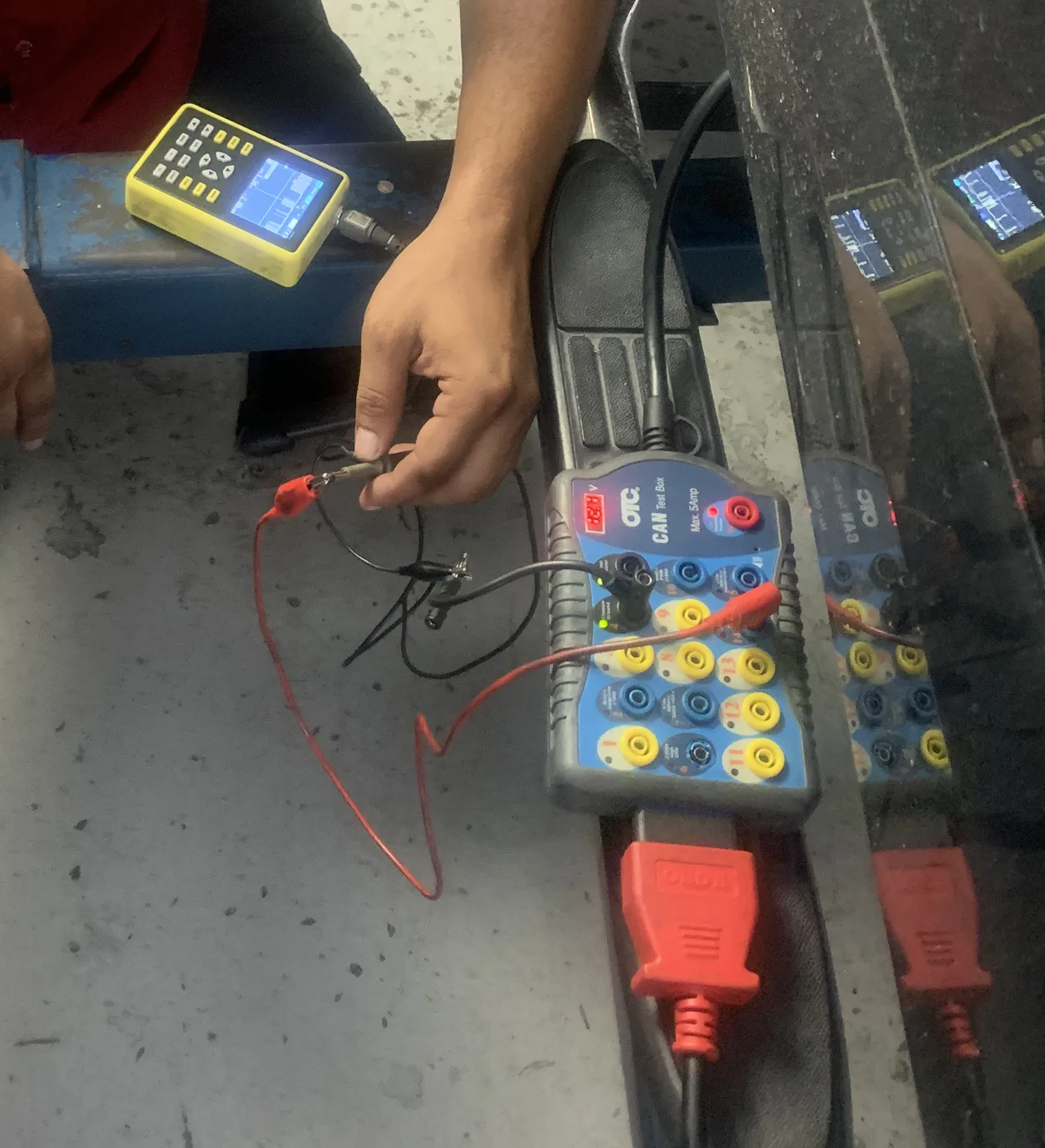
Yes. Modern vehicles are networked computers, and most electrical faults now involve communication between modules rather than a simple broken wire. Our technicians diagnose CAN bus and module faults, not just wiring.
Snap-On equipped, ASE Master certified, and veteran-owned. No guessing, no unnecessary parts. Just accurate diagnosis.